This week, I added an AI statement to my author website, that essentially says I do not use AI in any way, shape, or form because, well, it’s a very chaotic time to be a creative professional. So, that’s one impact that AI has had on me as an author, but probably the far bigger impact is that these days my email is cluttered with so many scam emails. Because it seems every day on different author forums I see someone posting an email that’s an obvious scam wondering if it’s legitimate or not, I decided to put together this list of tips for spotting scam emails. Generally this is specific to the sort of stuff authors receive, but some of it may apply to others as well.
The Email Address Doesn’t Match the Sender Name
So, sure you can pick whatever sort of handle you want for your email address, but if you’re sending a professional email, you probably want an email address that in some way matches your name or business name. When I get an unsolicited email where the sender’s name is Thomas Miller, but the email address is something like MarvelousMatthew@Gmail.com, then I can rest assured that the email is spam and can be deleted.
A Professional Business is Using a Gmail Address
Look, I use a Gmail address, so I know not everyone with a Gmail address is a scammer. On the other hand if I get an unsolicited email that claims to be from a well known and established literary agency, but they’re using a Gmail address, I know it’s a scam. Always check the sender’s address. With an email address like CurtisBrown.com@gmail.com, I know without a shadow of a doubt that the sender is a scammer, and I immediately delete the message. Not sure? Just look up the agency’s website. Somewhere on there will be a contact email address, and I guarantee you it’s not a Gmail address.
A Bestselling Author Sends You an Unsolicited Email
Received a message from James Patterson, Tana French or Margaret Atwood? No, you didn’t. Usually these emails are full of gushing praise, but when you actually study the language used you will likely see that they are simply parroting back the book description that’s on your website or bookstore sites. Look, not to burst anyone’s bubble, but huge bestselling authors are very unlikely to be sending you emails out of the blue to tell you how great your book is. Don’t believe me? Check the sender’s email address. Once again you’re likely to see it’s a Gmail address. James Patterson is not sending a random author an unsolicited email from a Gmail address.
The Email Addresses You with an Informal Nickname
Do you have a nickname that friends and family on Facebook might refer to you by, but which you don’t use professionally? If so, you might be receiving a deluge of emails addressing you by this nickname in the hopes of hooking you with some sort of scam for authors. How do I know? I get probably a dozen of these a day. They are so easy to spot because the nickname is right there in the opening line. It’s also how I know that a lot of these scammers have gotten my information from scraping Facebook. Isn’t social media great?
The Request Doesn’t Seem to be in the Requestor’s Wheelhouse
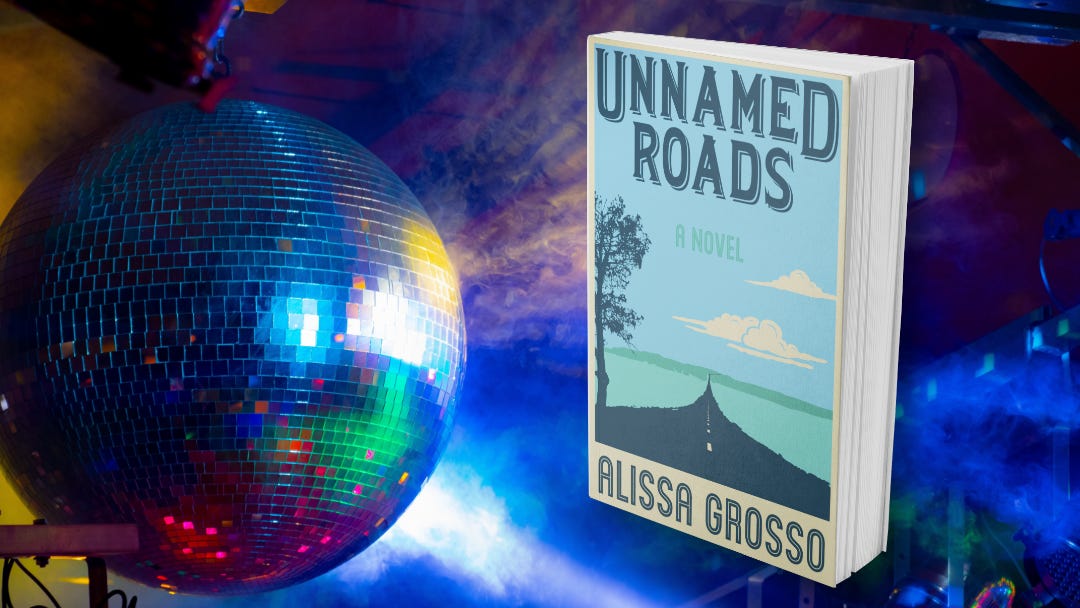
Recently a reggae radio DJ allegedly reached out to me about coming on his FM radio show to discuss my book Unnamed Roads, which has nothing to do with reggae music. A quick Google search confirmed that this DJ never has authors on his show to discuss their book. Also (and I know I’m starting to sound like a broken record here) it was sent from a Gmail address that was something like reggaeDJname.com@gmail.com.
But What if They Don’t Want Any Money?
One thing that seems to throw some folks is that these scammers don’t seem to be looking for any money. If someone was looking for money to promote their book, they would be more wary, but these pitches don’t seem to be looking for payment. It is a bit like an online romance scam. At first the love interest doesn’t need any money, but after they’ve established trust some misfortune befalls them and they beg you for assistance. I can only assume those scamming authors are using a similar playbook. Once you feel like you can trust them, they will suddenly need a payment of some sort to get your book into the right hands, to pay for an editor who can polish your manuscript or for whatever service they are selling.
So, if you are an author who is also getting bombarded with these scammy emails, you have my full sympathy. I don’t doubt that there are good uses for AI, but for those of us in creative professions it has only led to one headache after another.
—Alissa
Weekly Inspiration
What I’m Reading: First Time, Long Time by Amy Silverberg
What I’m Watching: Living with Yourself
What I’m Listening to: “Paradise City” by Guns N’ Roses
Find out more about my books at alissagrosso.com
Find out more about my art at alissacarin.com
 Creativity and Contentment
Leave a comment